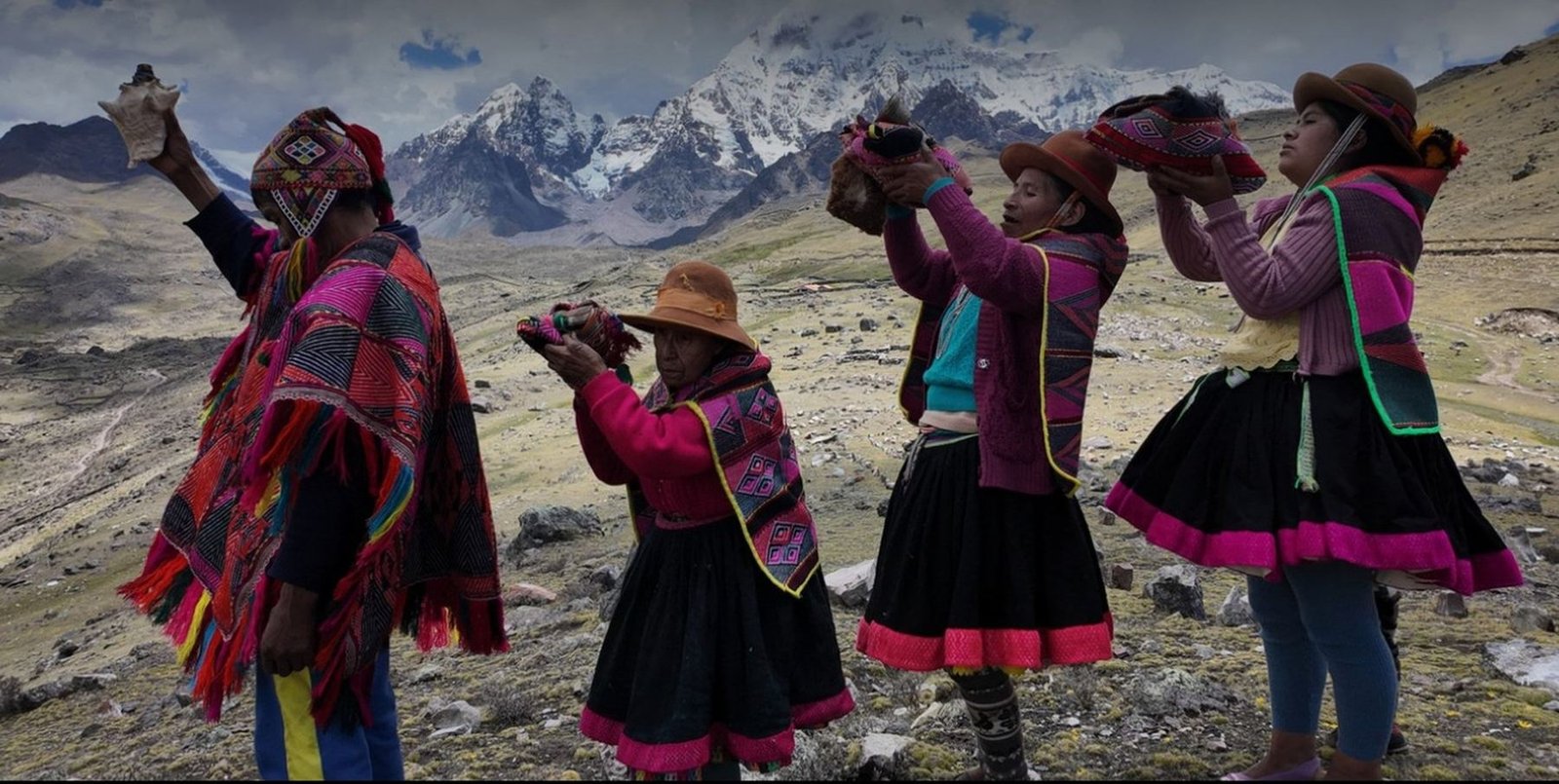
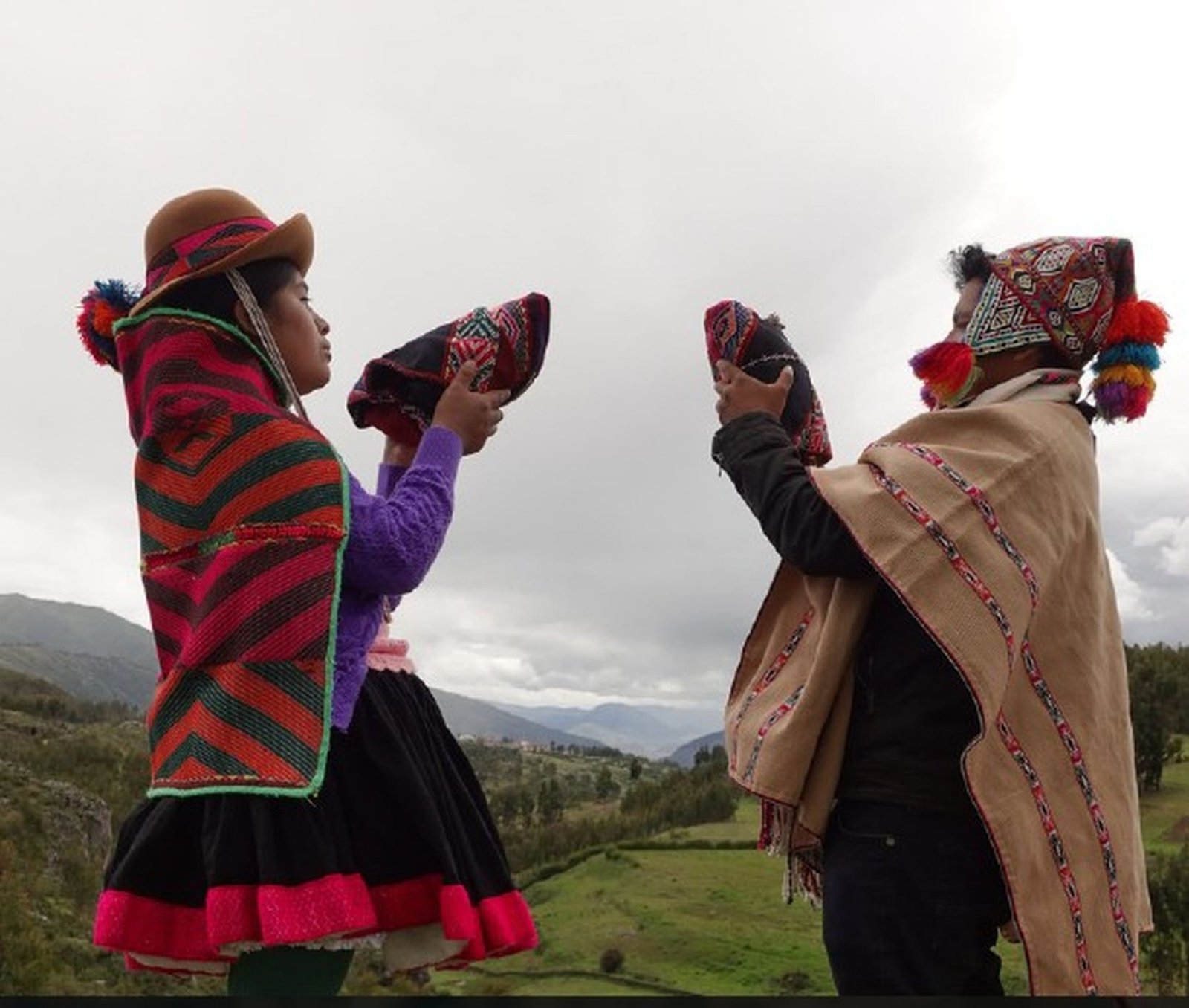
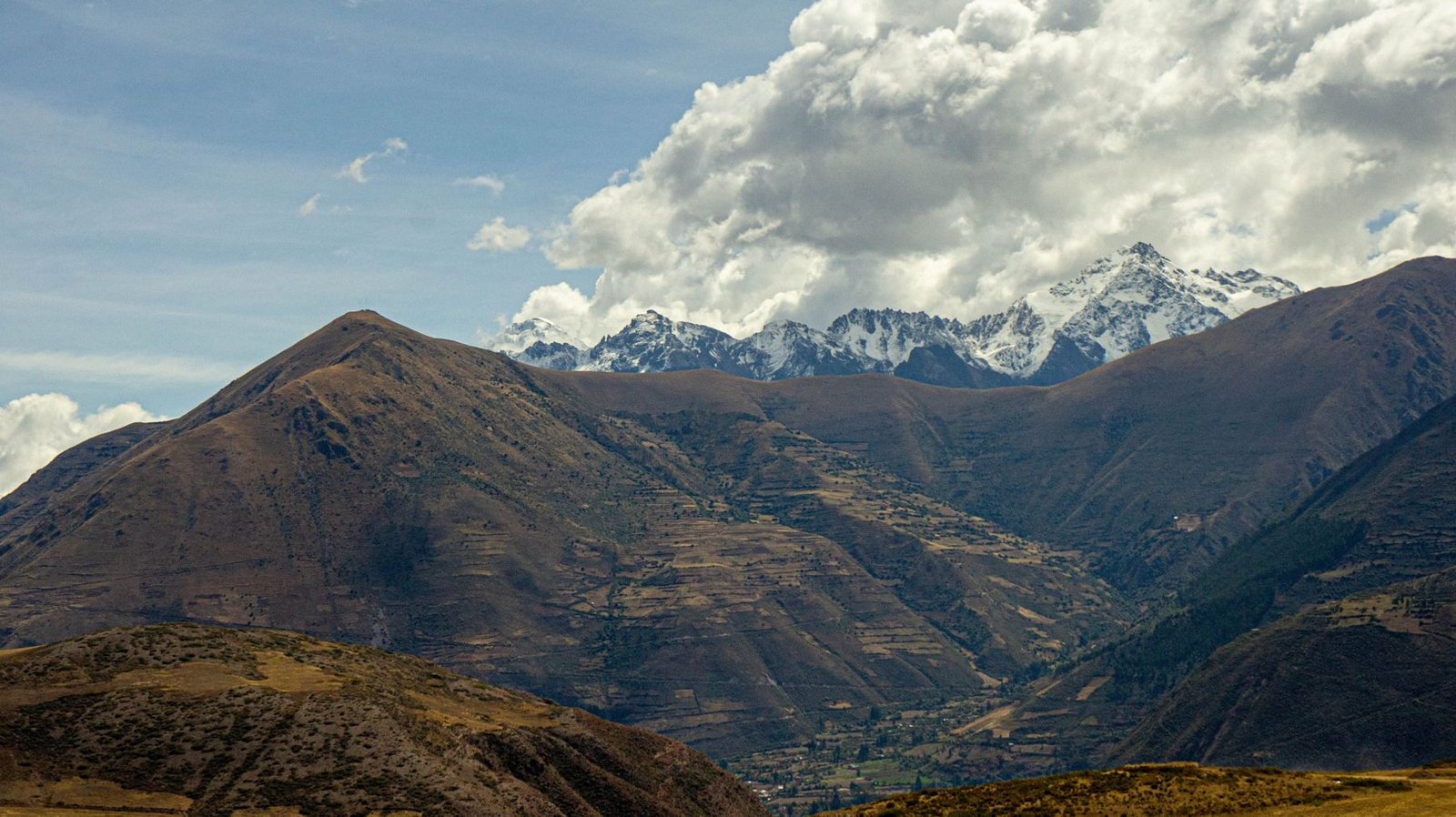
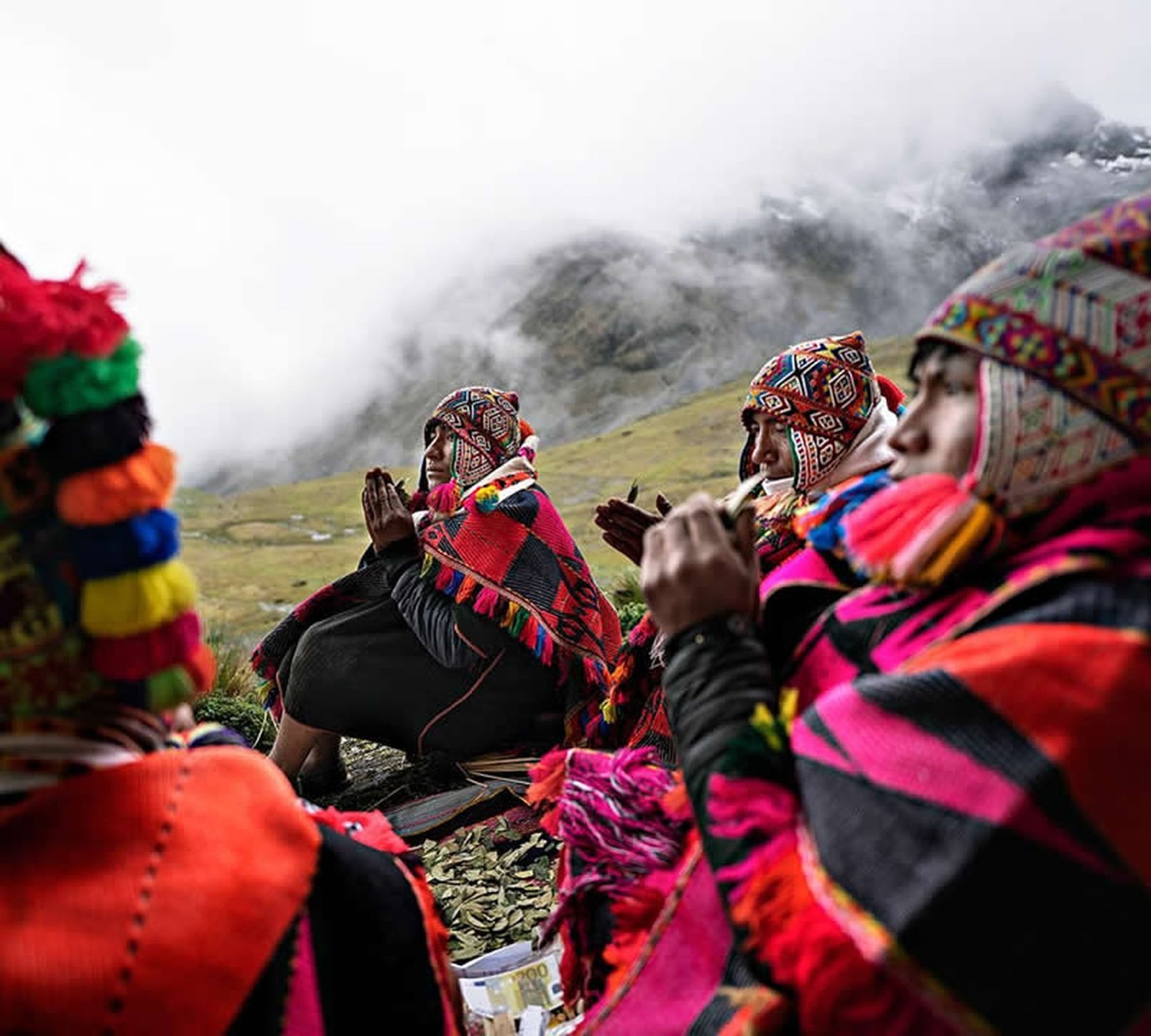
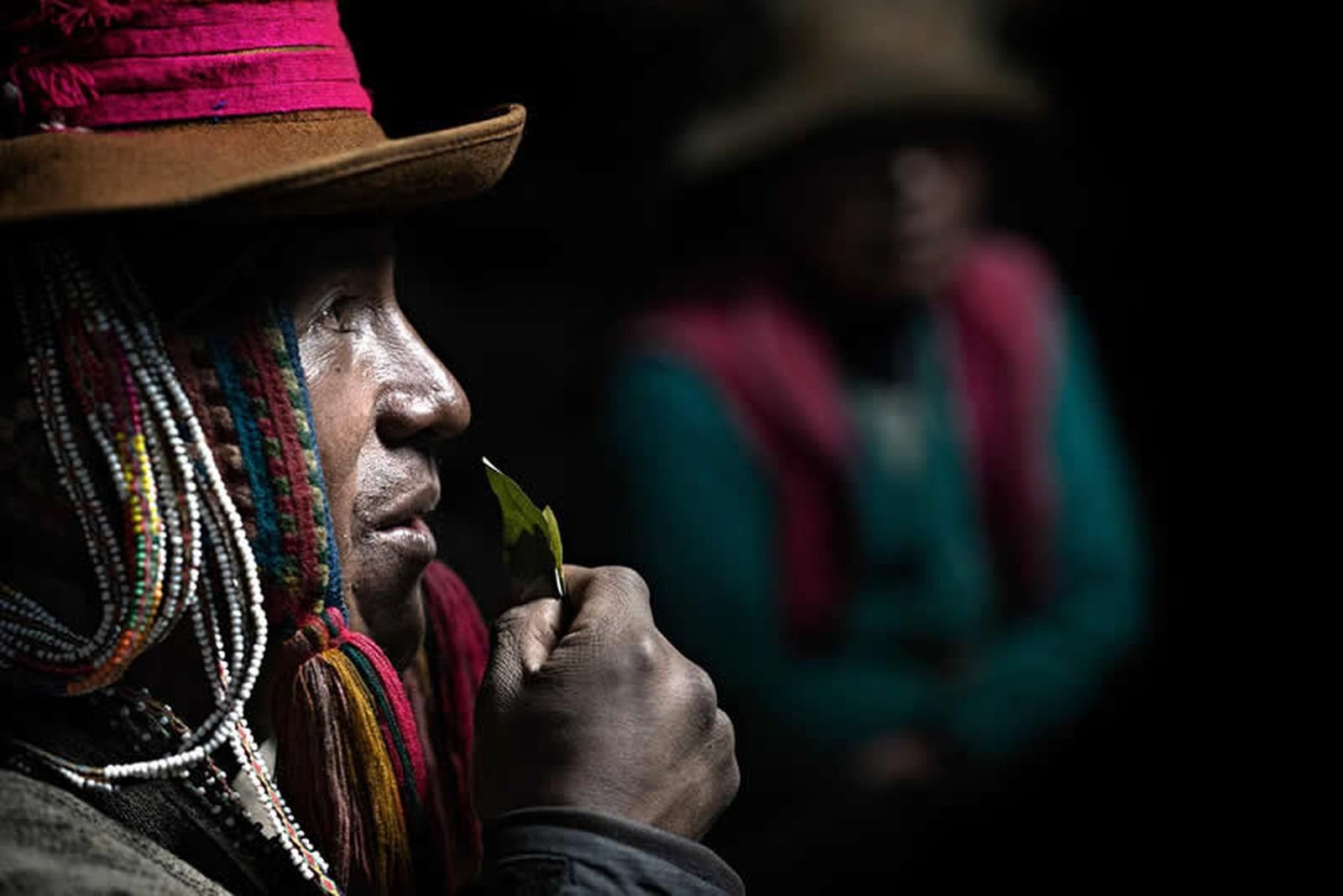
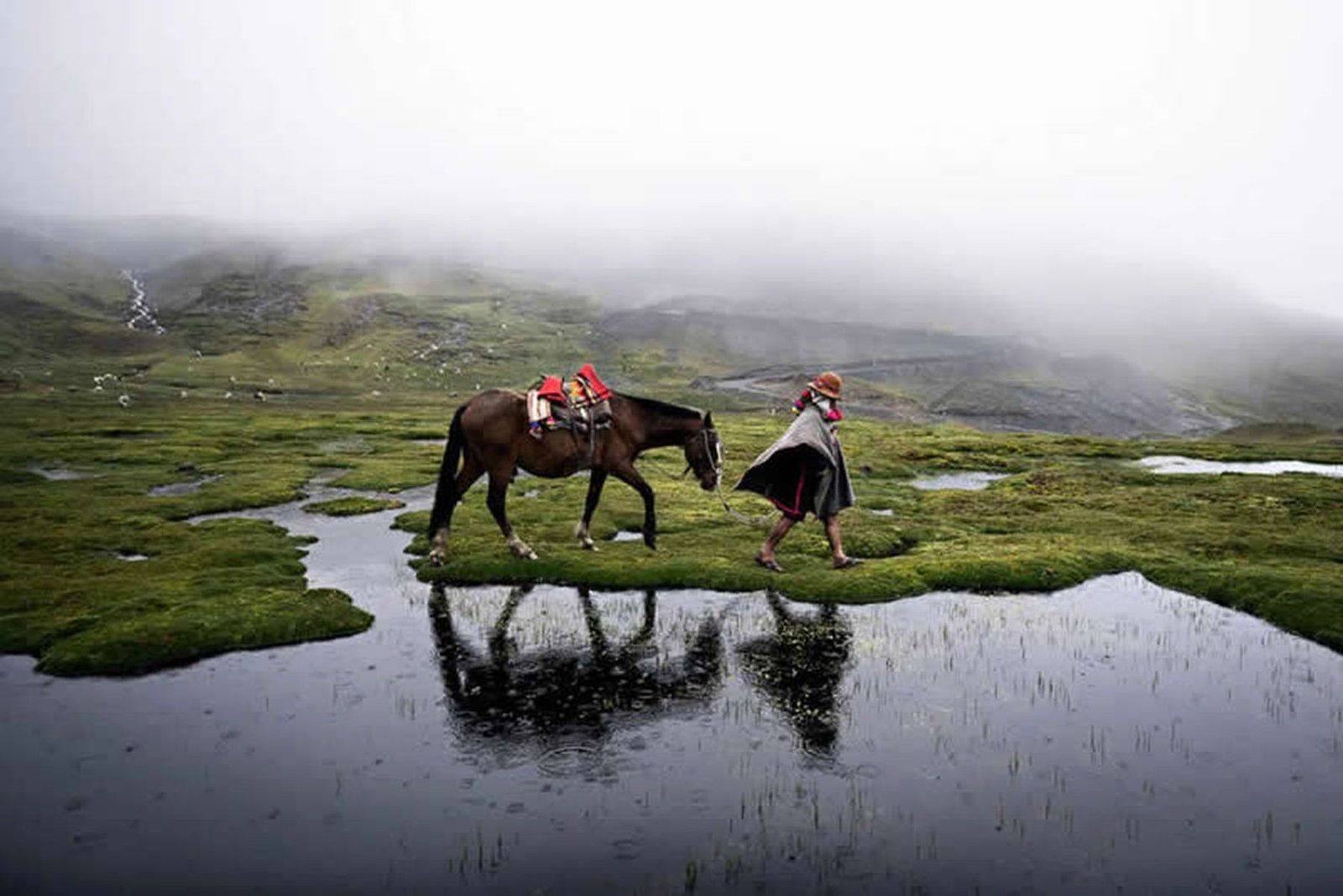
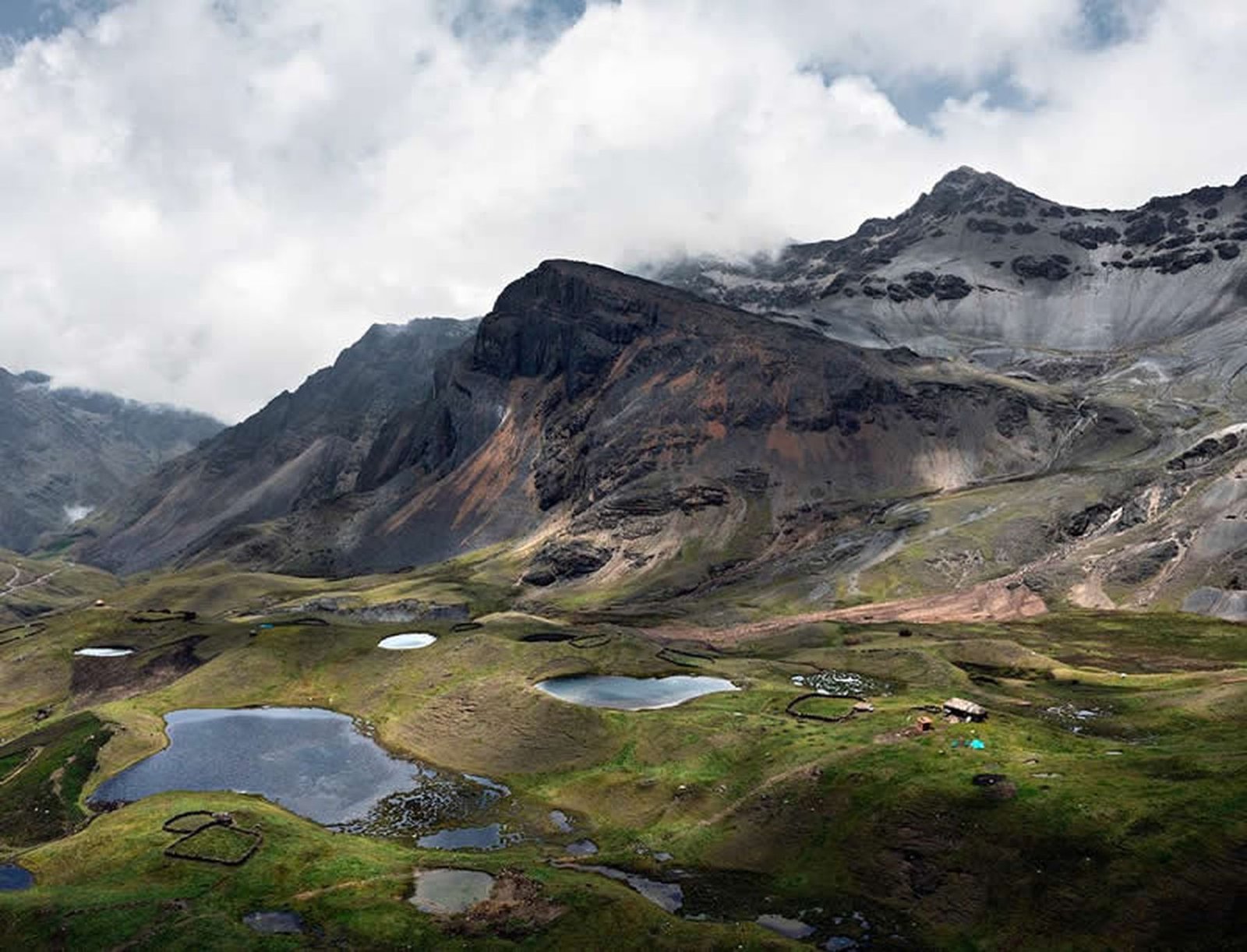
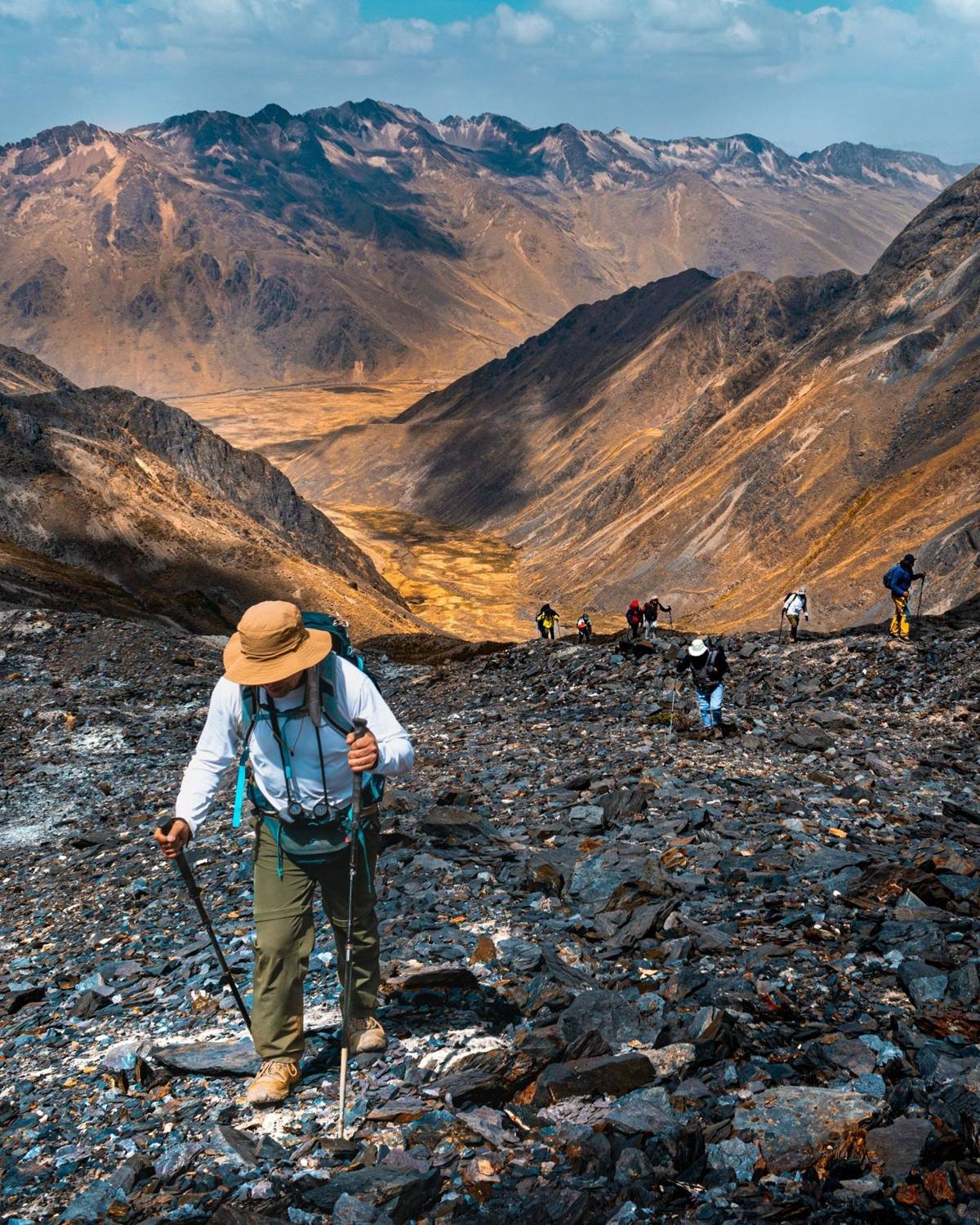
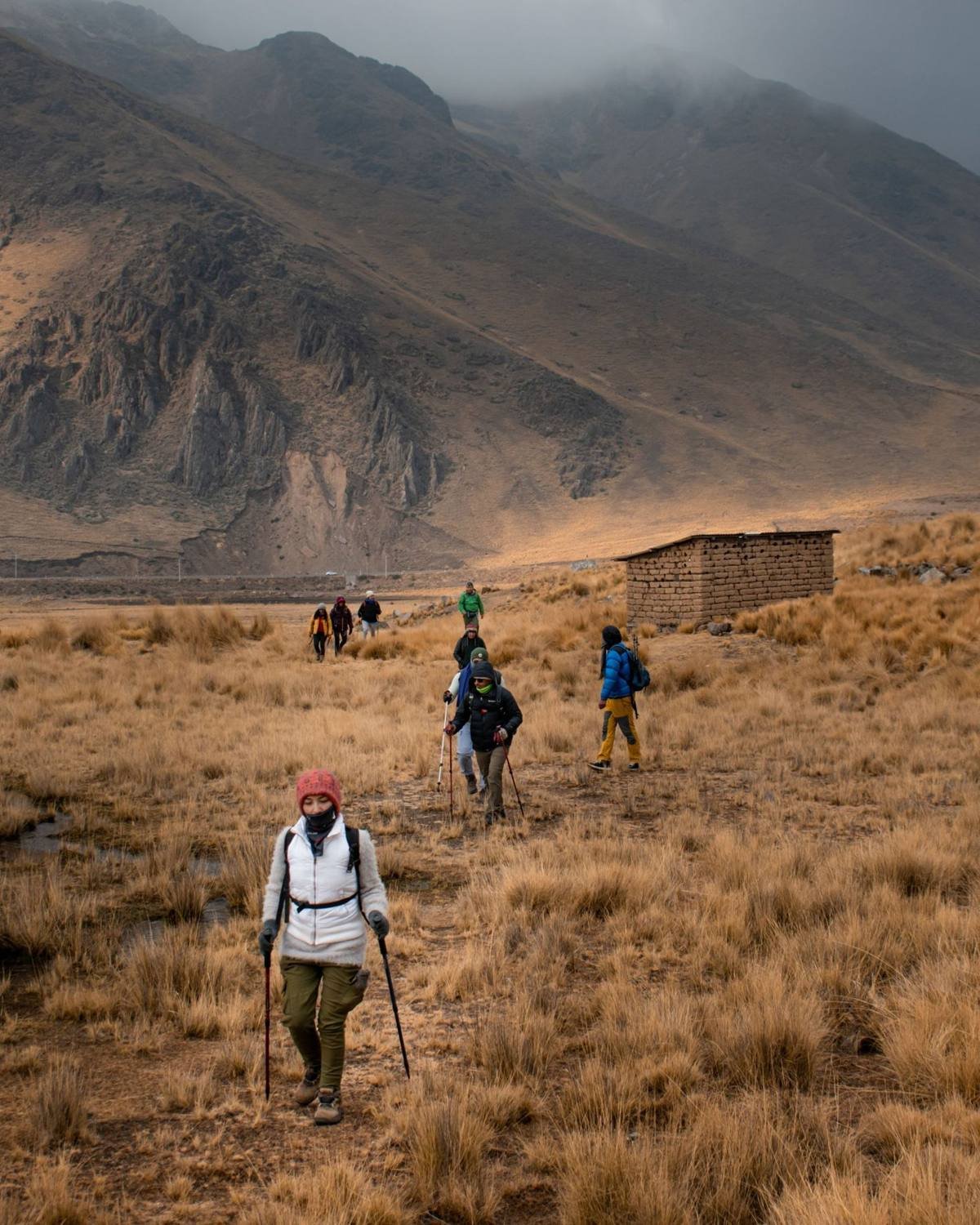
You won’t see Q’eros from the distance of a visitor. You’ll walk its paths, eat at its tables, sleep on its floors, and listen.
A retreat
A tour
Ceremonies sold as experiences
An immersion in everyday life, as a guest.
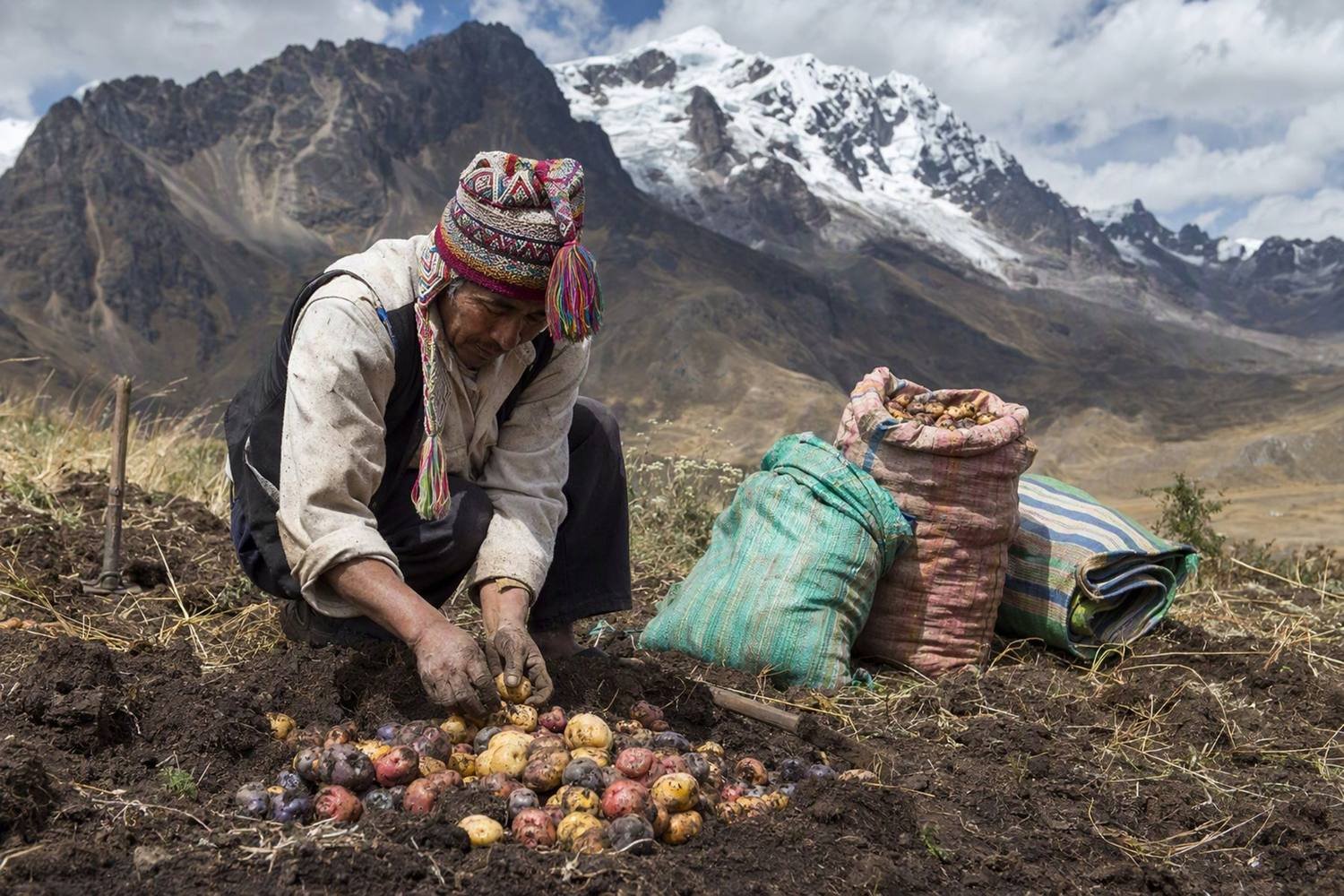
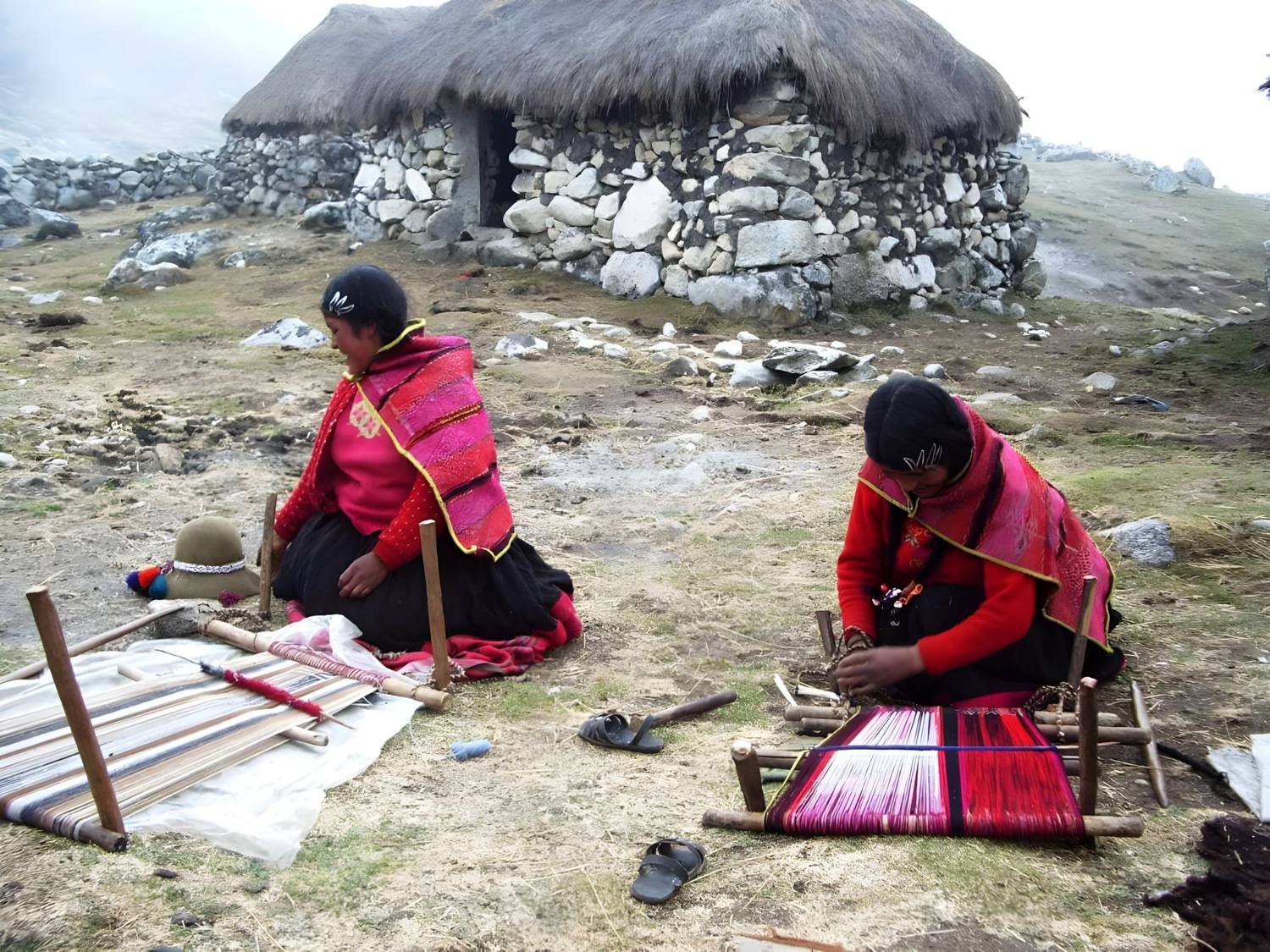
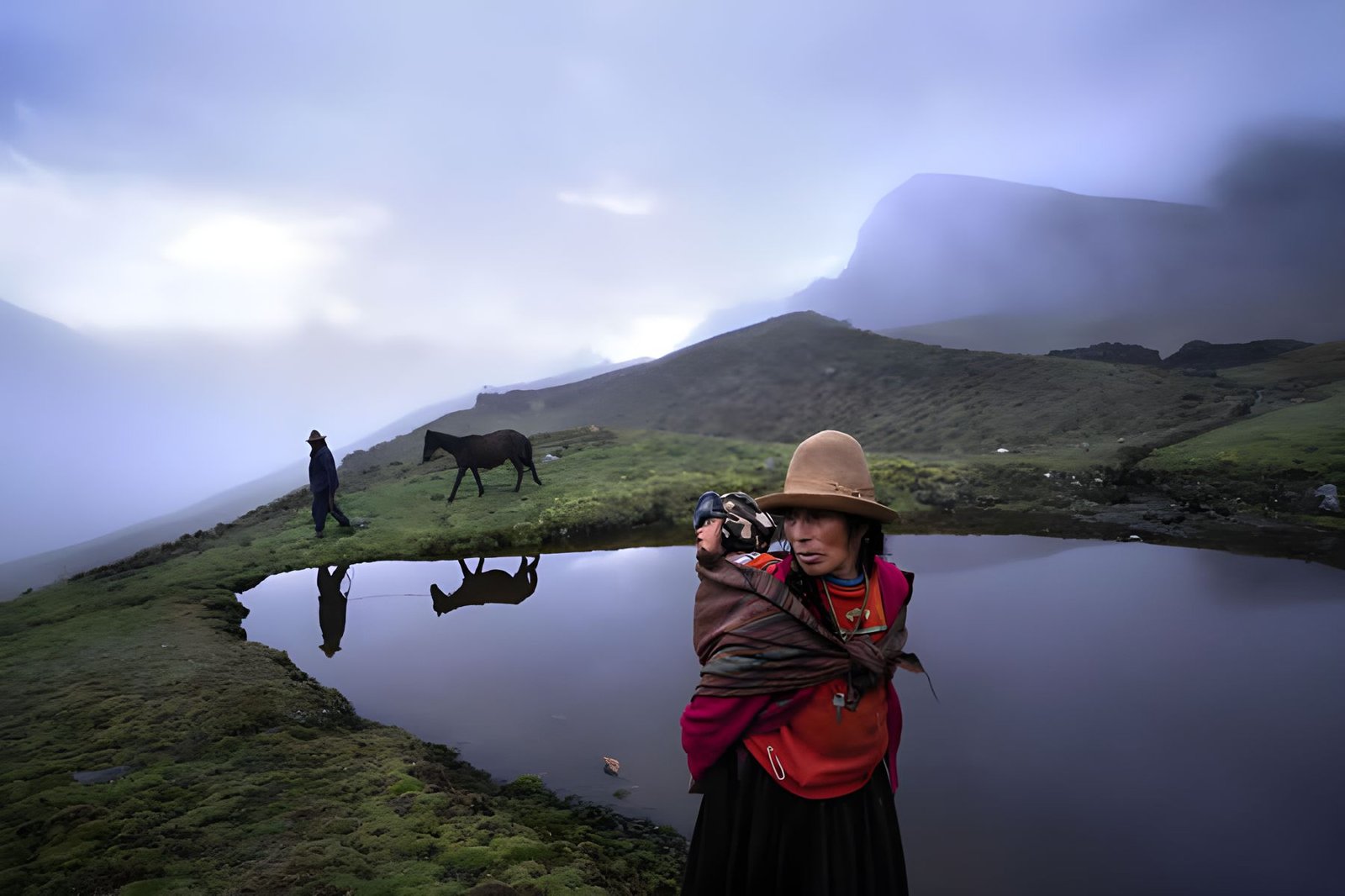
Planting potatoes, herding alpacas, sitting by the fire with grandparents. Rather than separating the sacred from ordinary life, the journey asks you to notice what ordinary life already holds. It doesn’t promise healing or awakening. It creates the conditions for an encounter.
Planting native potatoesWeaving outside the wasi
Ayni · reciprocity
Every gift asks for a way of receiving it.
Travel easily becomes a transaction: pay, arrive, take an experience, take photographs, go home. This journey begins from relationship instead. Reciprocity isn’t a theme we discuss. It’s something we practise each day.
You receiveYou return
A place in a family homeRespect for its rhythms
Food from what the land givesGratitude for what is offered
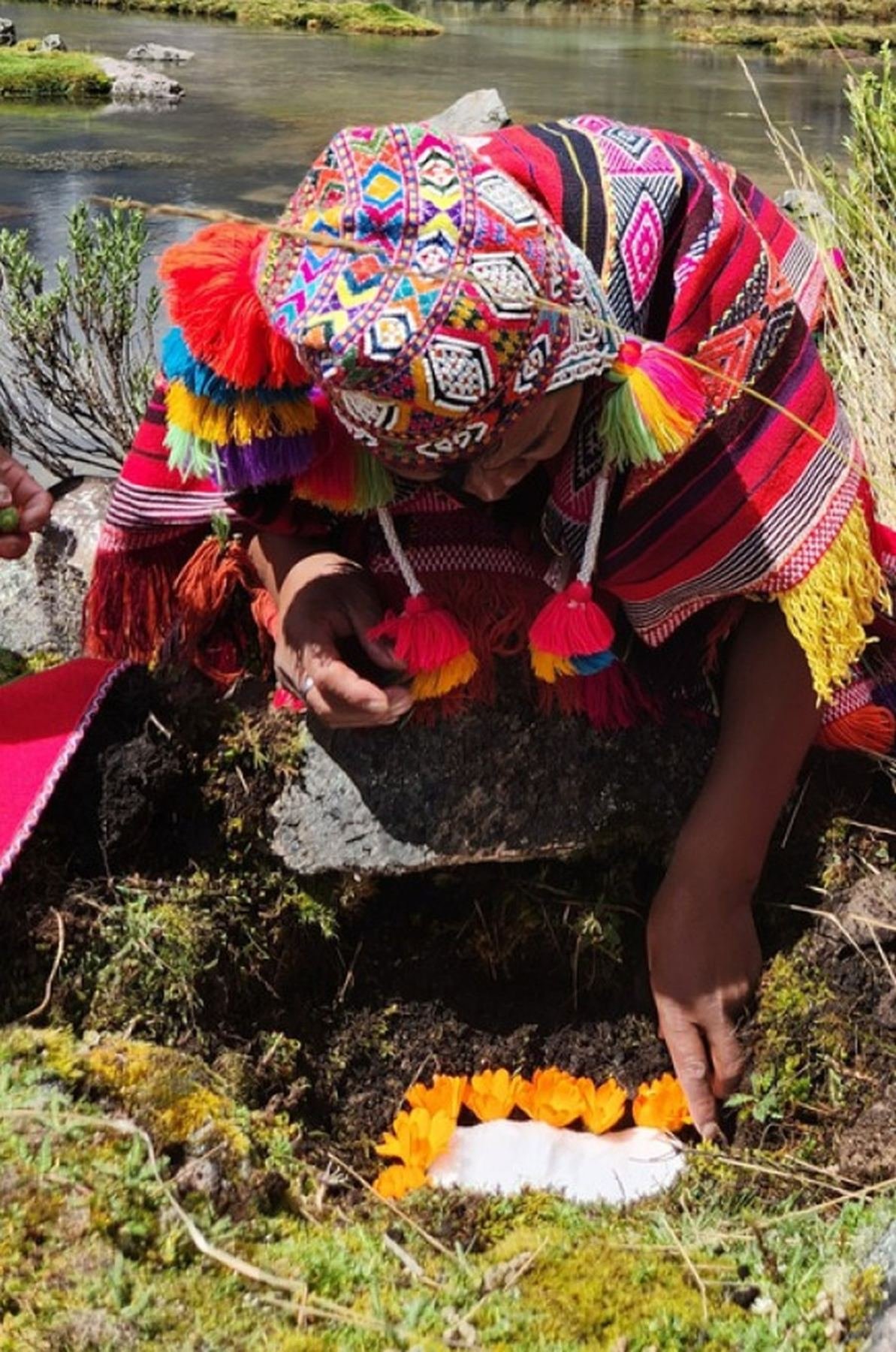
Ceremonies led by the eldersPresence, without taking them as yours
Knowledge they choose to shareListening before interpreting
Their time, paths and horsesFair pay for every person who carries the journey
Their pathCarried for generations.A way of life, handed down through generations.Walking in to listen.Months of preparation, then six days as a guest.
Ayni is where they meet.
Your hosts
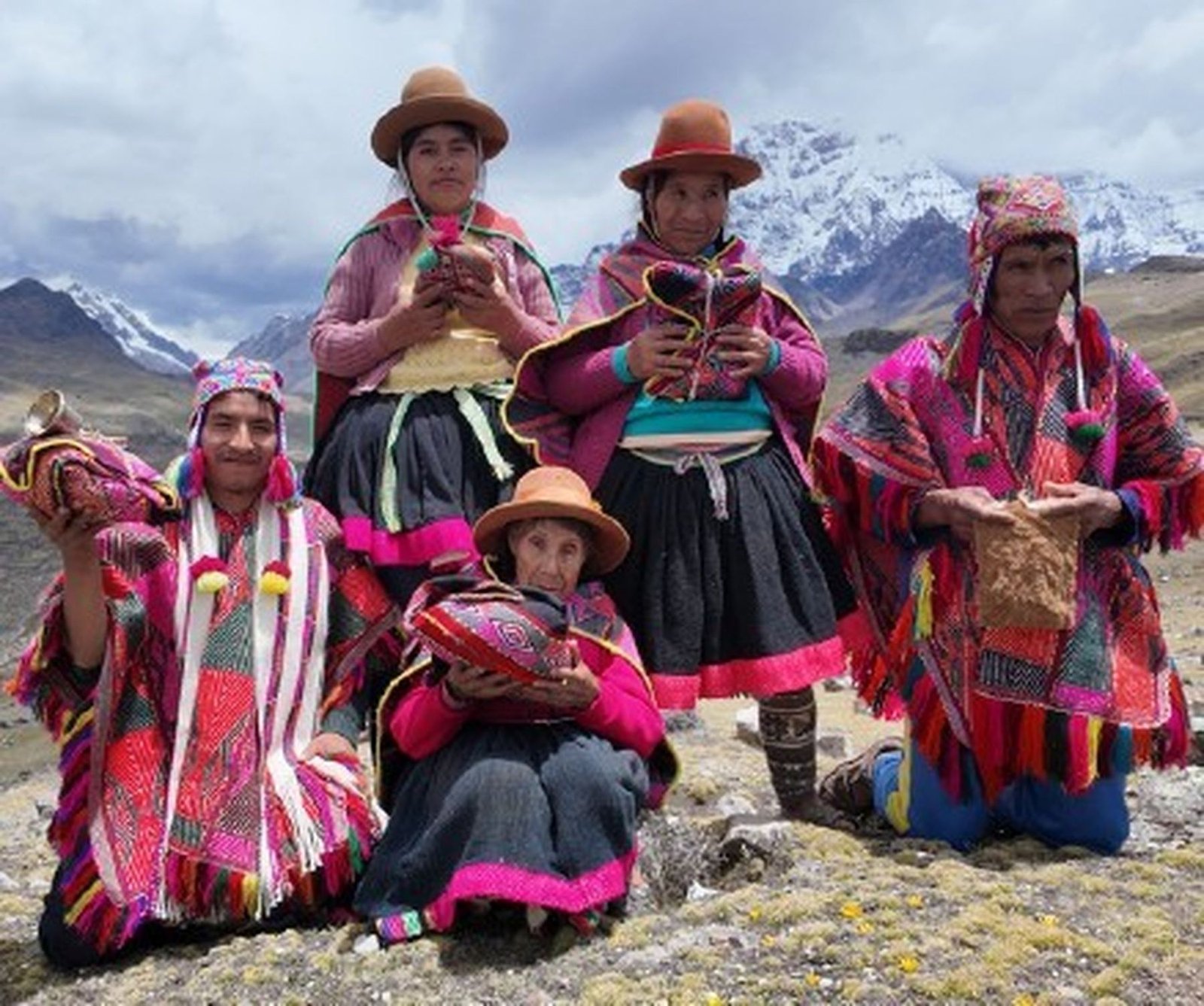
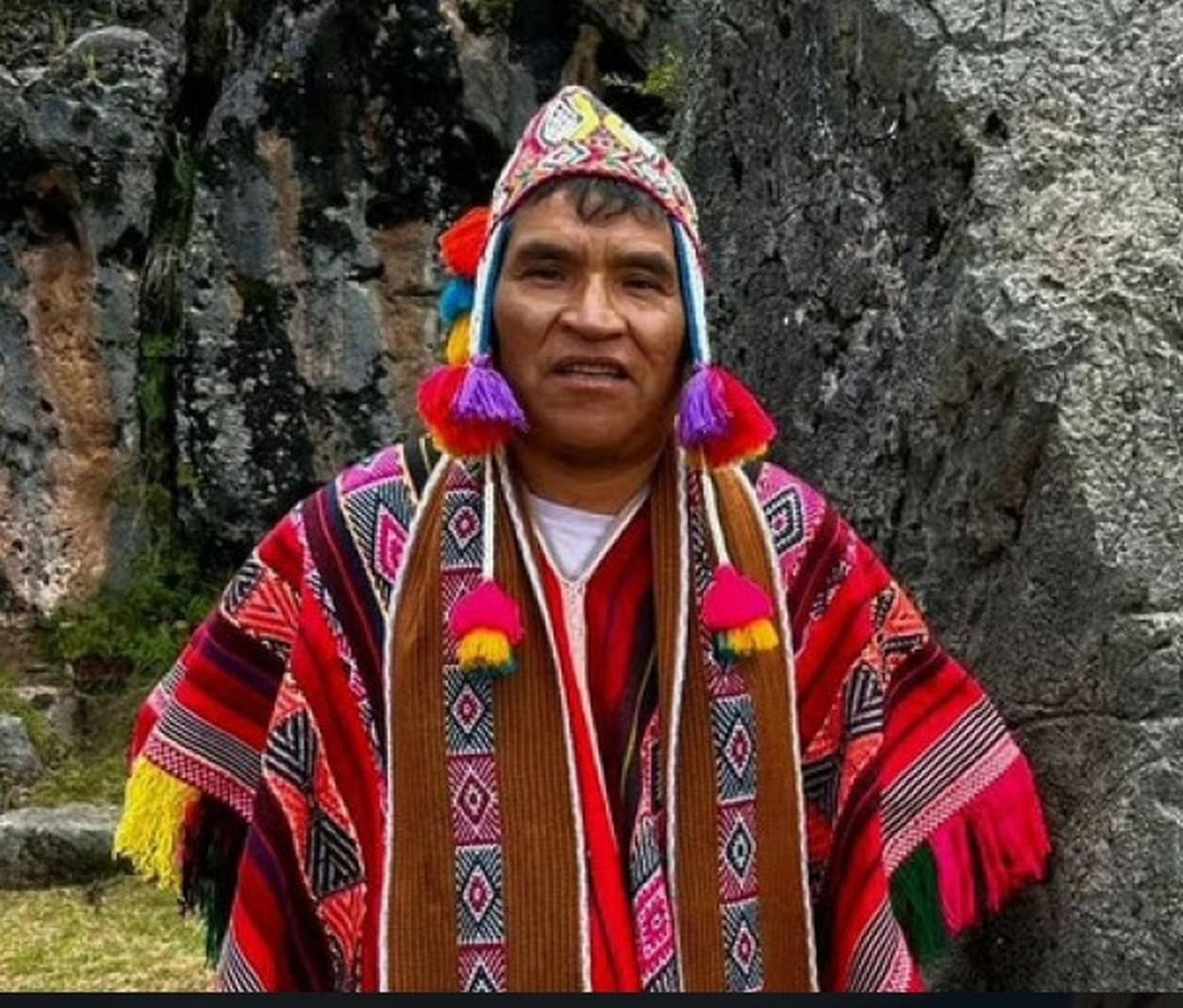
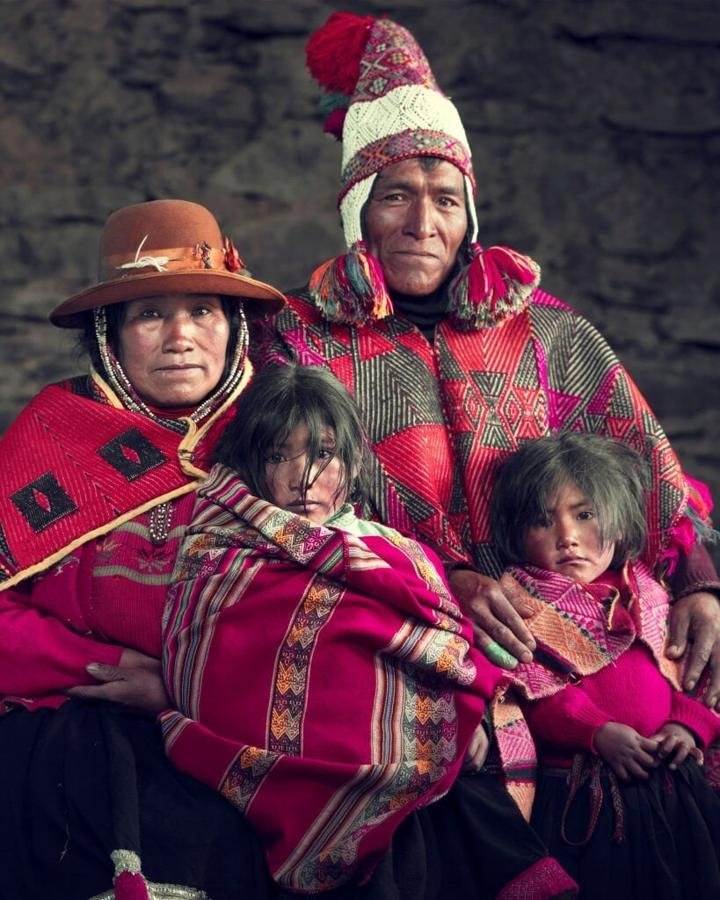
The Champi Phacsi family
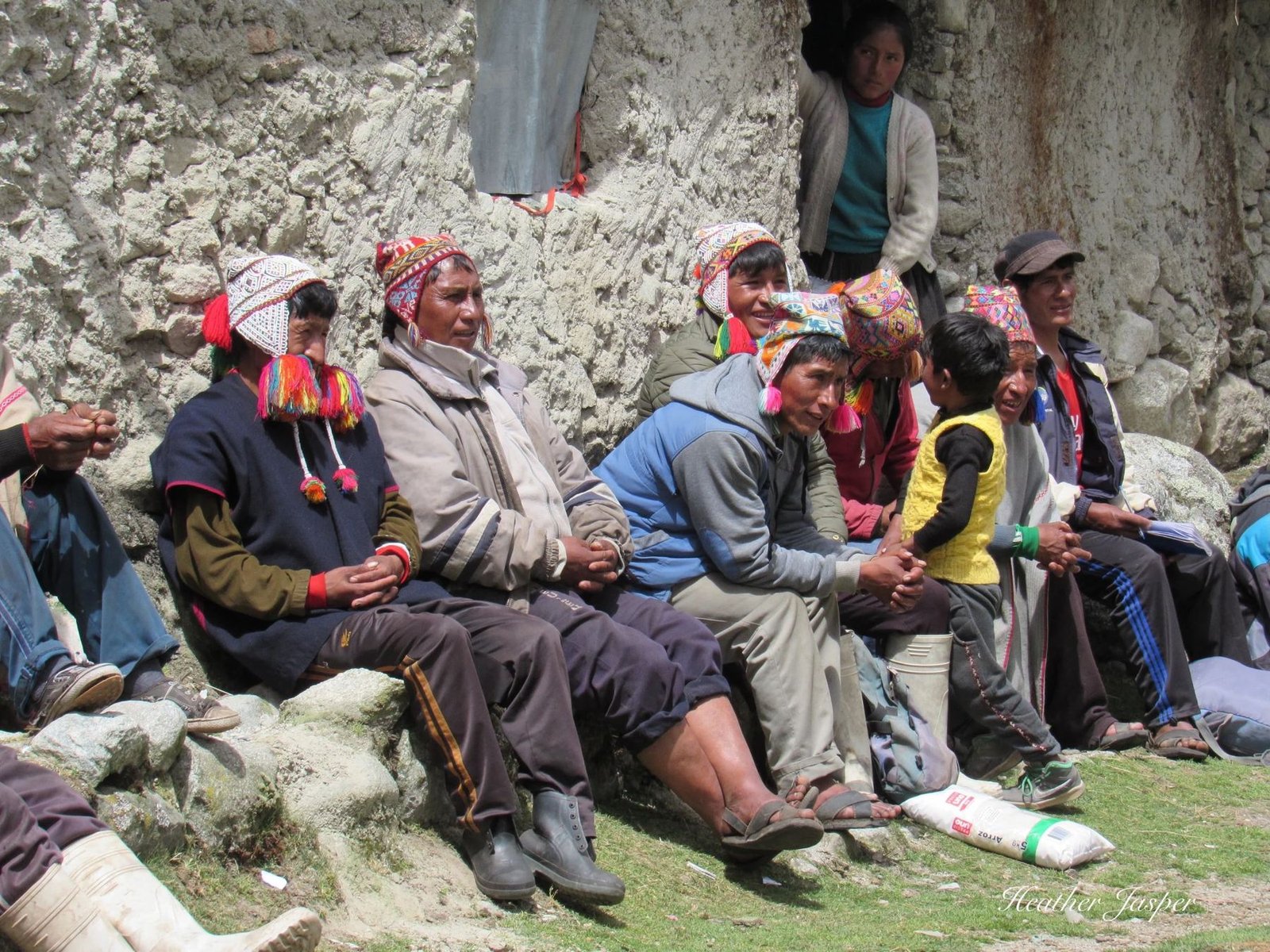
They hold their culture, land and practices. They lead every ceremony, and their guide decides timing, routes and safety on the ground. Each journey is carried by a network of grandparents, host families, cooks, horsemen, guides and artisans, paid fairly for their time and knowledge.
Photo by Awki PukaraPhoto by Awki PukaraPhoto by Awki PukaraPhoto by Awki Pukara
The elders · years on this path
Siwar Qenti Champi30
Mama Pacha Phacsi25
Tayta Lorenzo Champi25
Mama Juana Phacsi25
Miguel Inti Champi PhacsiThe new generation · our Q’ero guide14
Photo by Awki Pukara
It is a responsibility. It is a service. It is a commitment to our ancestors and to the generations to come.
They share what they choose to share, and guide the practices that belong to them. Fair pay for the families and support for social projects in the Q’eros Nation are part of every journey.
Your facilitator
Cha’ba Amaro
Preparation · Accompaniment · Integration
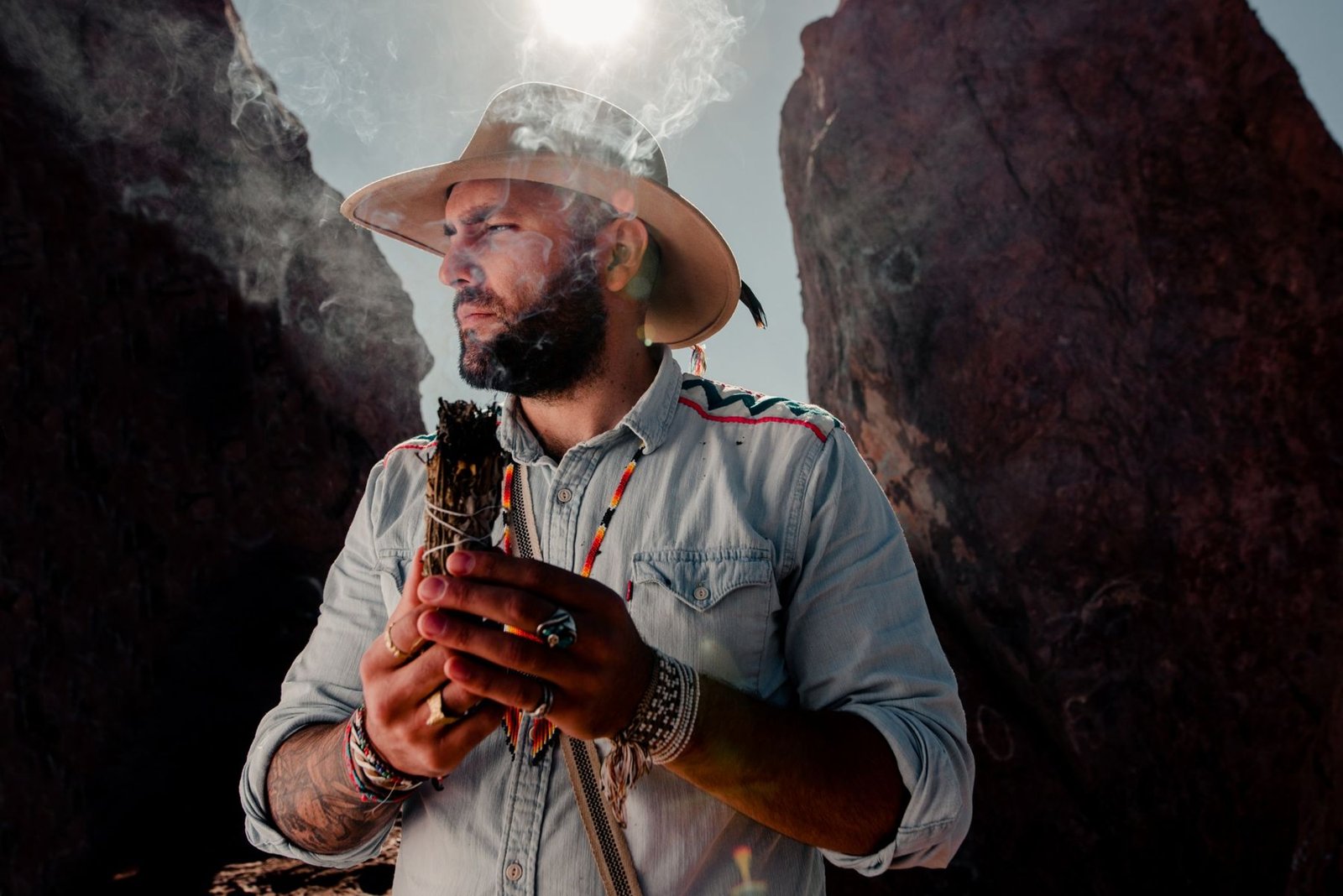
Teacher and practitioner of shamanic traditions, shaped by his Yaqui family lineage and years of learning with elders across Mexico and Peru, including his Q’ero teachers. He prepares you before, walks with the group, translates Spanish–English, and guides integration afterward. He stays available for your questions before, during and after.
He doesn’t teach you to be Q’ero, and he doesn’t speak for Q’ero spirituality. He builds the bridge between their world and your life back home.
One path, three stages
Six days at the heart of a longer path.
Q’eros is the heart of the journey, not the whole of it. Your path begins the day your place is confirmed, so each person arrives at their own pace.
The mountains are already waiting.
Tap each stage to see what it asks of you ↓
JunJulAugSepOctNovDecJan
Learn how to enter
From the day your place is confirmed, you can talk with Cha’ba one-on-one. Three online sessions build context, inner readiness and practical preparation.
What it asks of you3 to 5 hours of sessions, a walking plan for altitude, and arriving in Cusco 3 days early.
From day one
One-on-one callsYour intention, questions and readiness, whenever you need.
Jun – Sep
Context & ReciprocityWhere we’re going, and how to enter as a guest. 60 min online.
Jun – Sep
Inner PreparationExpectation, discomfort, observing before interpreting. 60 min.
Jun – Sep
ThresholdPractical readiness, carrying a question rather than demanding an answer. 60 min.
Oct 3 · Cusco
Group orientationIn person, the day before we leave.
Experience directly
The territory, the families, the meals, the walks and the weather become the teaching. The hosts lead what belongs to them; Cha’ba accompanies, translates and holds a short reflection circle each day.
What it asks of youUp to about 4 hours of walking a day at altitude, a straw-covered floor, no electricity, no showers, no signal.
Days 1–2
WelcomeThe Champi Phacsi home, then your host family in Quico Chico.
The long walkAwki Pukara, the waterfalls, Tambo, the fire.
Days 5–6
ReturnPachamanca, coca, songs, farewell.
Bring it home
Leaving Q’eros doesn’t complete the journey. Three sessions, spaced so the experience can settle, help you digest it and choose one principle to live by.
What it asks of youThree hours across three months, and the honesty to notice what changed and what didn’t.
~2 weeks after
Re-entryWhat happened, what stayed, what challenged you.
~2 months after
MeaningHow you give, receive, relate and pay attention.
~3 months after
EmbodimentOne principle you actually practise.
Ongoing
CommunityStay connected with the group.
The route · six days
Up into the clouds, down to the jungle’s edge, and back.
This is the intended rhythm: weather, roads and life in the community can change timing and order.
Tap a day or swipe the cards →
1 / 6
13,580 m
Cusco → Ocongate / Hueccouno
Crossing the Threshold
Cross the Andes to the home of the Champi Phacsi family. A first meal together, the ceremony Rastro del Puma, a conversation on the Andean worldview, and the community’s textiles.
Travel
Minibus, about 3 hours
Sleep
Champi Phacsi home, sheepskins
Photo by Alessandro Bergamini
24,000 m
Ocongate → Quico Chico
Entering Q’eros
Deeper into the mountains. Meet the families who will receive you, learn the names of the sacred mountains, and settle into your host family’s wasi. The night closes by the fire.
Travel
About 3 hours, unpaved roads
High point
4,105 m / 13,468 ft
Photo by Heather Jasper
34,000 m
Quico Chico
Everyday Life
Plant native potatoes with traditional tools, join an offering to Pachamama, learn the textile process and walk the alpacas to pasture. Weather permitting, a huatia cooked in the earth.
Walking
Light, 90–120 min, twice
Sleep
Host family wasi
Photo by Alessandro Bergamini
43,112 m
Quico Chico → Awki Pukara → Tambo
Into the Lower Territory
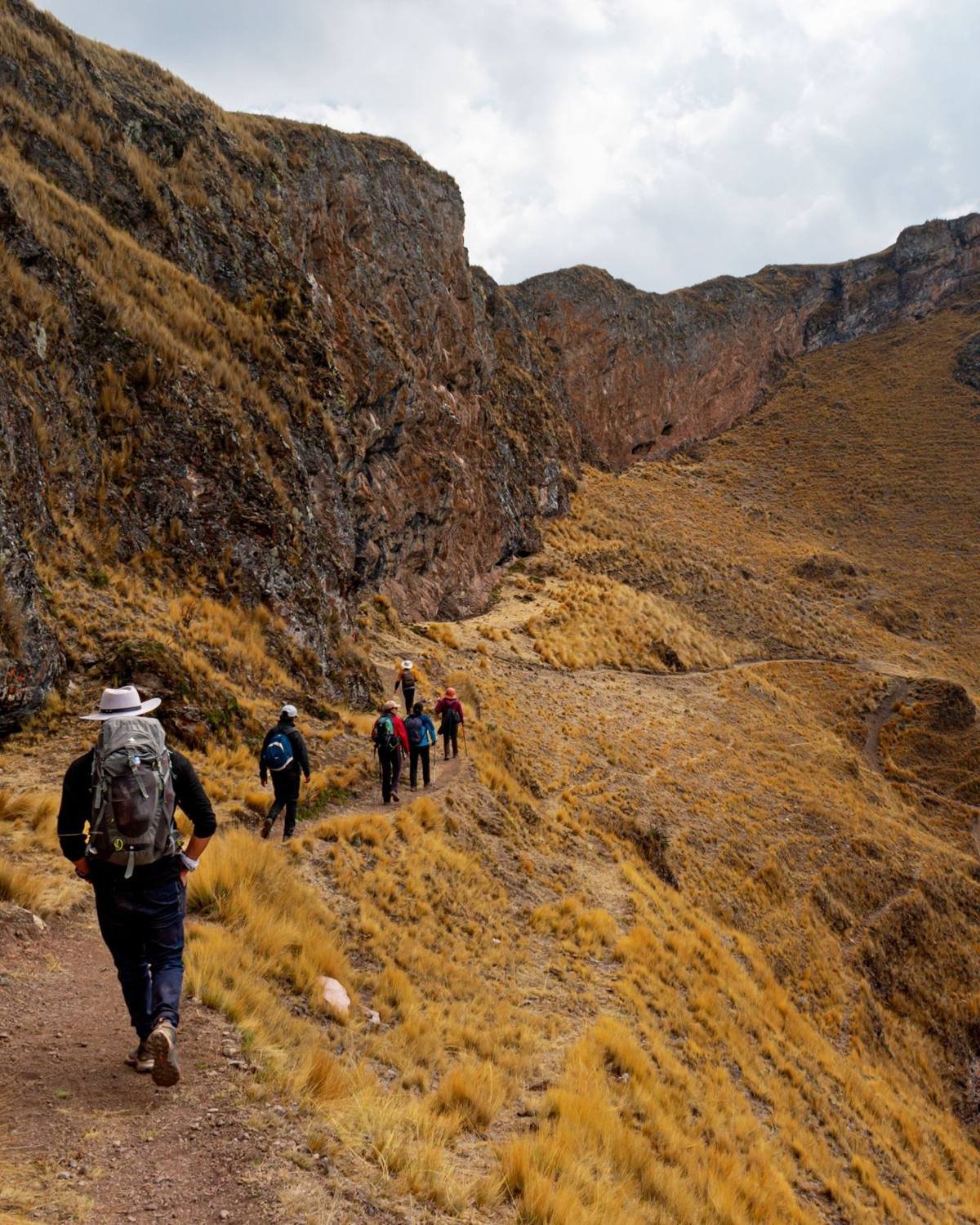
The main walk. Ancestral paths to Awki Pukara, down to the humid edge of the jungle, a purification at the sacred waterfalls, a thermal bath at Tambo, and the Grandfather Fire.
Walking
About 4 h · 10–12 km
Sleep
Shared tents
Photo by Alessandro Bergamini
54,000 m
Tambo → Quico Chico
Returning to Community
Walk back up at dawn. A pachamanca, a coca leaf circle, the grandmothers’ songs, and a last fire of songs and dances. Time simply to be together.
Walking
3–4 hours, climbing
Sleep
Host family wasi
Photo by Jimmy Nelson
63,400 m
Quico Chico → Ocongate → Cusco
Closing the Circle
Farewell to Quico Chico, a last lunch in Ocongate, and the drive back to Cusco. The immersion has ended. Integration has not.
Travel
About 5 h, Cusco ~6 p.m.
Drop-off
Same meeting point as Day 1
One participant each day may receive a coca leaf reading from an elder, as an additional exchange of ayni.
The conditions
Q’eros, as it is.
This is not a retreat centre placed in the mountains. Reading this now is how you arrive prepared instead of surprised.
No beds.
A straw-covered floor and sheepskins in family homes, 2–3 participants per home. One night in tents. Bring or rent a −5°C / 23°F sleeping bag, a pad and a small tarp.
No signal.
No electricity, Wi-Fi or satellite link. Little or no phone coverage. Charged power banks, and people at home who know you’re out of reach.
No showers.
No bathrooms either. Designated spots in nature, biodegradable wipes, and the river when conditions allow.
No menu.
Families cook over fire with what grows at 4,000 m: native potatoes, chuño, quinoa, pachamanca. Vegetarian is possible with notice. Water from springs and rivers, always filtered.
Thin air.
Most nights at about 4,000 m. Arrive in Cusco 3 days early. Hosts follow an altitude protocol and a horse is always ready to reach the nearest health post.
Long walks.
Day 4 is about 4 hours on wet, steep ground; Day 5 climbs back up for 3–4. Horses carry your daypack, and your main luggage waits in Ocongate.
Two languages.
Hosts speak Quechua and Spanish. Cha’ba translates to English throughout, and you’ll learn a few Quechua words before you go.
Plans change.
Miguel Inti and the elders decide timing, routes and safety on the ground, for weather and for community life.
And what it makes room for
Few people are ever received this close to a Q’ero family. The discomfort is real. So is what it opens.
No bedsNights by the fire, listening to the grandparents.
No signalYour full attention, maybe for the first time in years.
No menuFood grown and cooked by the hands that feed you.
Thin airMountains the Q’ero have honoured as Apus for generations.
Long walksAncestral paths, walked at the pace of the land.
Plans changeLearning to live by the rhythm of a place, not a calendar.
You come home with less certainty about what you need, and a clearer sense of what you’re part of.
Photo by Alessandro BergaminiPhoto by Alessandro Bergamini
The threshold
Does this call to you, as it really is?
Eight questions, one at a time. Nothing is saved or sent. Deciding this isn’t your journey is a good answer too: the group works best when everyone has chosen it knowingly.
Your investment
What it’s worth, and what you commit to.
With 10 participants, every person is known by name. The price pays the Q’ero families, elders, cooks, guides and horsemen fairly, covers safe logistics into one of the most remote regions of the Andes, and funds a process that runs from months before Peru to months after.
Early$1,800Until Feb 28, 2027, or the first 5 places
Regular$2,000From March 1, 2027
To secure your place$600Non-refundable deposit, after your call with Cha’ba. Personal payment plans can be agreed.
Deposit$600
By June 1, 2027$600 · $700 regular
By August 1, 2027$600 · $700 regular
Included
Ground transport from a meeting point in Cusco
Family homes and shared tents
Meals from Day 1 lunch to Day 6 lunch
Hosts, guides and the horse caravan
Ceremonies led by the Champi Phacsi family
Luggage storage in Ocongate
One-on-one calls with Cha’ba, before and after
3 preparation sessions and Cusco orientation
Translation and accompaniment throughout
3 integration sessions and community
Not included
Flights to and from Cusco
Cusco hotels and meals, incl. Day 1 breakfast
Travel and medical insurance (recommended)
Sleeping bag, pad, poles (rent ~$15–20/day)
Water filter and personal snacks
Textiles and personal purchases
Individual work with the elders
Tips and voluntary contributions
Machu Picchu and other travel
If plans change
If your plans changeThe $600 deposit is non-refundable. Your place can be transferred to someone else, with approval. Full terms are shared in the Participant Agreement before you sign.
If the journey doesn’t runIt needs a minimum of 8 participants and is confirmed by June 1, 2027. If it doesn’t run, everything is refunded, deposit included.
Bring cash in Peruvian soles. There are no ATMs in the communities.
Where the two paths meet
If you’ve read this far, something in you already knows.
Your Journey ApplicationAbout 10 minutesWho you are, what draws you, the intention you’d carry, and a few health questions. No right answers, only honest ones.
A conversation with Cha’baWithin a few daysHe reads every application himself and calls you, to listen and to answer.
Claim your place$600 depositIf it’s a yes for both of you: sign the Participant Agreement and pay the deposit. Places go in the order deposits arrive.
The journey beginsLong before PeruWelcome pack, Readiness Profile, the group, and preparation at a gentle pace.
Applications open · 10 places
Begin here
Applying doesn’t reserve a place or commit you to pay. Early registration ($1,800) runs until February 28, 2027, or the first 5 places.
The application form isn’t connected yet. Write to Cha’ba below and he’ll send it to you.
Opens on Tally in a new tab. Your answers go only to Cha’ba; health details are shared with the Q’ero guide only for your safety.
Not sure yet?thewayofreciprocity@gmail.com
Questions
Before you apply
Who can join?
Adults 21 and over, in good physical, mental and emotional health, who can abstain from sacred plant medicines for at least 30 days before the journey.
Do I need experience with Q’ero traditions?
No. Preparation gives you the context. What matters is your willingness to listen, participate and enter respectfully.
Who leads the ceremonies?
The Q’ero elders of the Champi Phacsi family lead every practice and ceremony. Cha’ba prepares, accompanies and guides integration.
When should I arrive in Cusco?
By Friday, October 1, 2027 at the latest. Thursday, September 30 is recommended, before orientation on October 3.
What if the altitude is hard for me?
We slow down. Hosts follow an altitude protocol: rest, hydration, and descent if symptoms persist. A horse is always available to reach the nearest health post.
Do I need travel insurance?
It’s optional and recommended: trip cancellation, medical coverage abroad and evacuation. Without it, those costs are yours.
When should I book flights?
Any time after you register. Protect them with insurance or a changeable fare; the journey is confirmed on June 1, 2027.
Can I come with my partner?
Yes. Out of respect for the families and the tradition, intimate relations aren’t appropriate during the journey.
What if strong emotions come up?
It’s natural. The group, the elders and Cha’ba accompany you, and a short reflection circle closes each day.
Will I carry my luggage?
No. Main luggage stays in Ocongate. On walking days the horses carry your daypack; you carry water and essentials.
There are many more questions and answers in the Journey Guide: preparation, altitude, what to bring, daily life in Q’eros and more. Write to Cha’ba if you’d like to read it before you apply.